June 16, 2026
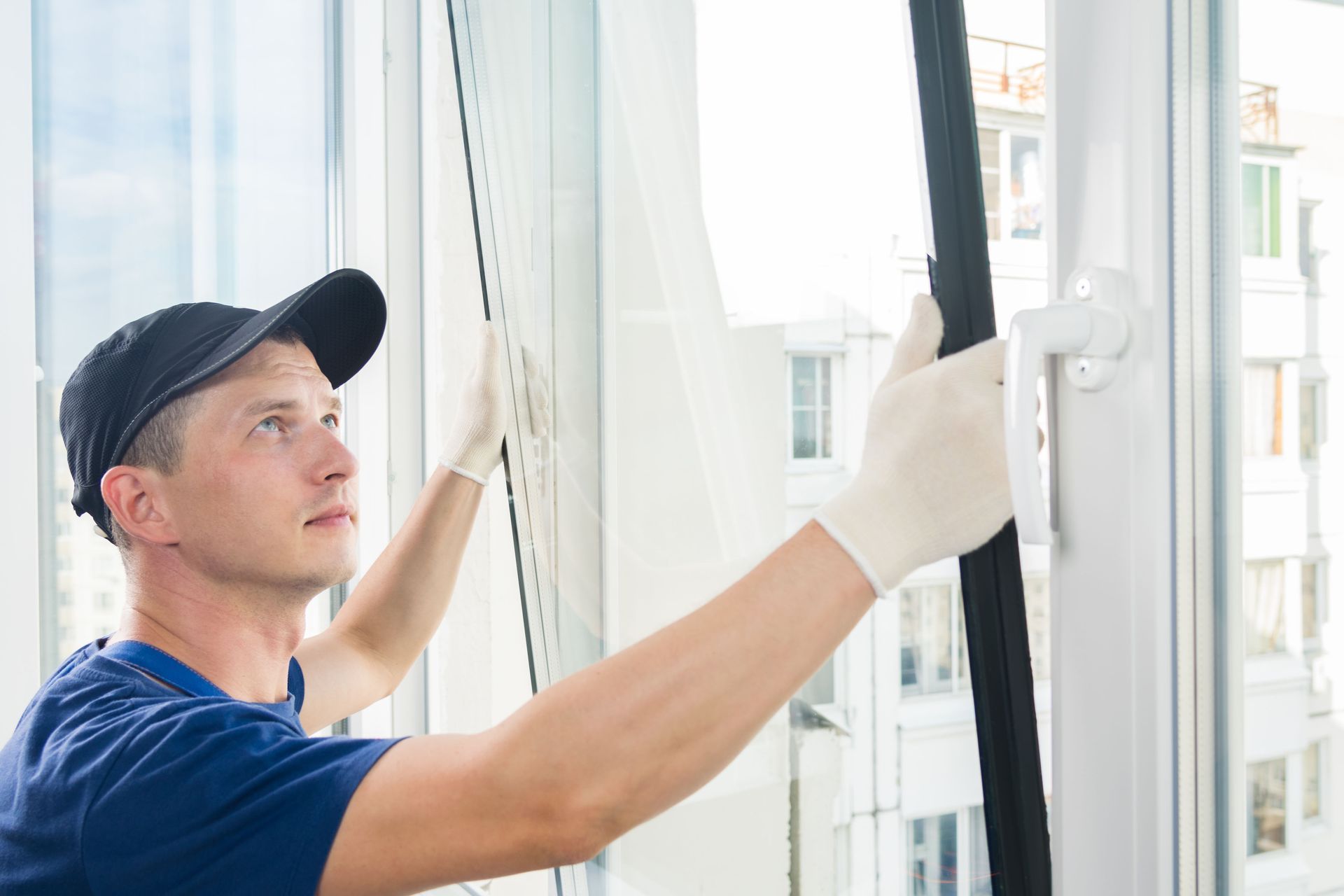
In an era of rising utility costs and unpredictable climate patterns, optimizing building performance has become a top priority for property owners. While insulation and HVAC upgrades are common starting points, the building envelope's weakest thermal links are often the windows. Standard or aging window panes can act as massive thermal bridges, allowing precious climate-controlled air to escape while forcing heating and cooling systems to work overtime. Investing in professional window replacement presents a highly effective, scientifically backed solution to eliminate this energy waste. By upgrading to advanced glass technologies, homeowners can seamlessly fortify their property's defenses, driving down monthly utility expenses while significantly elevating daily indoor comfort.
Definition of Energy Efficiency
Definition and Importance
Energy efficiency in buildings refers to using less energy to perform the same tasks, thereby eliminating energy waste. It is a critical element in building design and retrofitting, encompassing everything from insulation to heating and cooling systems. Enhanced energy efficiency not only reduces energy costs but also contributes to environmental protection by reducing greenhouse gas emissions. In buildings, windows play a vital role in energy efficiency, as they are a major source of heat gain and loss. Thus, focusing on upgrading or replacing windows is a sensible strategy for improving energy efficiency in both residential and commercial settings.
Factors Affecting Energy Efficiency
Several factors affect energy efficiency, with window design being a critical component. Elements such as frame type, glass coatings, and glazing all contribute to a window's energy performance. Properly installed, high-quality windows can significantly reduce energy consumption by preventing unwanted heat transfer. Additionally, according to Fixr, 63% of industry insiders suggest that minimalist frame designs are currently the leading trend in window design, which hints at an emphasis on both aesthetics and functionality. These advances highlight the necessity for well-thought-out window replacements in energy efficiency upgrades.
Science Behind Window Glass Replacement
Heat Transfer Mechanisms
Heat transfer through windows occurs mainly via conduction, convection, and radiation. Conduction refers to heat movement through solid materials, such as window glass itself. Convection involves the transfer of heat through air currents, which can occur as warm air leaks through gaps. Radiation is the transfer of heat in the form of electromagnetic waves, which can penetrate glass surfaces unchecked. Understanding these mechanisms is vital for designing windows that minimize unwanted heat exchange and thereby improve a building's energy efficiency.
Thermal Insulation Properties
The efficacy of window glass as an insulator depends largely on its material properties and design. Double or triple glazing, as well as insulating gas fills, significantly enhances thermal insulation. These features reduce heat conduction and convection, thus maintaining a stable interior climate regardless of external conditions. Advanced coatings on glass can also block a significant portion of infrared radiation, contributing further to their insulating capacity. Together, these properties comprise the foundation of energy-efficient window glass designed to minimize energy losses.
Energy Saving Technologies
Recent advancements in energy-saving technologies have vastly improved the efficiency of window glass. Smart glass technology enables windows to change their light transmission properties according to environmental conditions. Innovations include passive solar designs and sensor-activated window shutters, all aimed at maximizing energy savings. These technologies exemplify how modern window solutions are evolving to meet the demands of energy conservation.
Types of Energy-Efficient Window Glass
Low-E Glass Technology
Low-Emissivity (Low-E) glass is uniquely designed to minimize the amount of infrared and ultraviolet light that passes through the window without affecting the amount of natural light that enters. Low-E coatings are microscopically thin, virtually invisible layers on the glass that improve thermal performance. These coatings help to keep the heat inside during the winter and outside during the summer, substantially reducing heating and cooling bills. Moreover, Low-E glass also helps reduce fading of interior furnishings and fabrics by blocking UV light. As such, Low-E glass stands out as one of the most effective options for an energy-efficient window replacement.
Double and Triple Glazed Windows
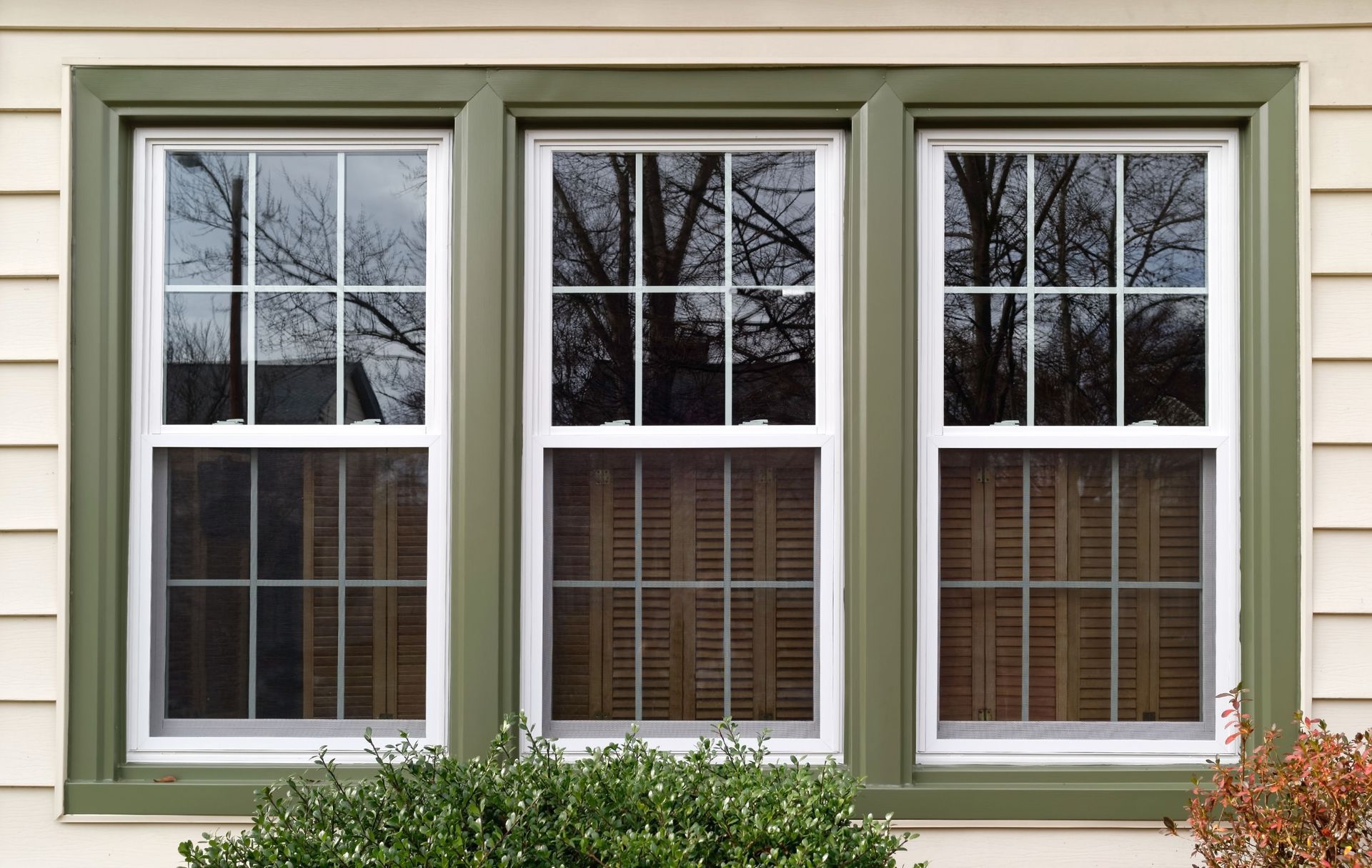
Double-glazed windows consist of two panes of glass separated by a spacer filled with air or gas, creating an insulating barrier. Triple-glazed windows, with three panes, enhance this insulating effect further. The additional panes and air spaces provide superior thermal resistance, notably reducing energy consumption. While triple glazing offers enhanced performance, it comes with additional weight and complexity considerations. Both options significantly reduce noise pollution, contribute to improved thermal comfort, and present viable solutions for those seeking maximum energy efficiency in window replacements.
Gas-Filled Windows
In gas-filled windows, the spaces between double or triple glazing are filled with inert gases like argon or krypton instead of plain air. These gases have much higher densities than air, providing better thermal insulation due to reduced convection currents. Argon is commonly used due to its cost-effectiveness, while krypton offers even better insulation but at a higher price. Gas-filled windows are highly effective in reducing heat transfer, thus improving the energy efficiency of the building's envelope. Consequently, they are integral to achieving optimal energy performance in modern window glass designs.
Benefits of Window Replacement for Homeowners
Reduction in Energy Bills
One of the primary benefits of window replacement is the significant reduction in energy bills. The financial savings gained from energy-efficient glass replacements often result in a rapid return on investment. Additionally, improved insulation reduces the frequency and intensity of HVAC system use, yielding further operational cost benefits. Overall, this investment not only enhances comfort but also offers long-term financial advantages.
Increased Home Comfort
Window replacement improves home comfort by maintaining a consistent indoor temperature. Energy-efficient windows provide effective thermal barriers that reduce cold drafts in winter and limit heat ingress in summer. This can significantly enhance the overall living environment, offering a noticeably more comfortable setting in all seasons. The advanced noise reduction properties of modern windows also create a more serene and enjoyable space. Thus, homeowners benefit from both improved energy efficiency and enhanced living conditions.
Enhanced Property Value
Energy-efficient upgrades, such as window replacement, can substantially enhance a property's market value. As sustainability and energy efficiency have become key considerations for prospective buyers, the addition of high-performance windows can be a compelling selling feature. These improvements demonstrate a commitment to energy conservation, which can appeal to environmentally conscious buyers. Additionally, the promise of reduced energy costs and increased comfort can be great incentives, and investing in window replacements is a wise choice for those looking to increase property value. The combination of eco-friendliness and economic savings contributes positively to the overall appeal of a property.
Upgrading a property's windows through strategic replacement is one of the most reliable methods for permanently boosting structural energy efficiency. By embracing cutting-edge advancements like low-emissivity coatings, dense inert gas fills, and multi-pane insulated glazing, homeowners can successfully mitigate the core mechanisms of heat transfer that compromise indoor climates. Even as architectural aesthetics lean toward modern, minimalist frame trends, the true engine of energy conservation remains the advanced glass technology sitting inside those frames. Ultimately, choosing to replace inefficient window glass is a proactive investment that quickly pays for itself—delivering substantial financial relief on utility bills, lessening environmental strain, and long-term appreciation of your home’s market value.
Ready to eliminate drafty rooms and high utility bills? Contact STK Construction today to learn more about our energy-efficient window replacement options.