October 15, 2026
Windows play a crucial role in home energy efficiency, yet their significance is often underestimated. As homeowners focus on other aspects of energy conservation, older windows remain a pivotal yet overlooked factor. Inefficient windows can result in substantial heat loss, draftiness, and inflated energy bills, making them a prime area for evaluation and potential upgrade. Understanding the drawbacks of older windows and the technology they lack is essential for homeowners looking to improve home energy efficiency. By examining the array of issues from insulation properties to lack of modern features, this article aims to illuminate how older windows can drastically increase energy bills and why timely window replacements are recommended.
1. Poor Insulation Properties
Insulation is key to temperature regulation within a home, and windows are a major aspect of this. Many older windows, particularly those made with single-pane glass, offer little to no insulation, allowing significant heat transfer. This results in increased heating needs during cold seasons, as internal warmth easily escapes. Conversely, during hotter months, inefficient insulation allows external heat to penetrate the home, leading to increased reliance on air conditioning. Modern windows often utilize double or triple glazing to improve their insulation properties, reducing the energy required to maintain a comfortable internal environment.
Another critical aspect of insulation is the window frames. Outdated window frames may not effectively prevent thermal bridging, where heat can easily travel through materials that are poor insulators. Materials like wood or metal without proper thermal breaks contribute to this issue, compromising the overall insulation of the window system. Furthermore, the frames themselves may warp or degrade over time, worsening the problem. Technological advancements in materials such as vinyl or composite frames have significantly reduced such heat transfer, resulting in better-insulated and more efficient homes.
Weatherstripping, an essential component of window insulation, is often inadequate or deteriorates over time in older windows. Without effective weatherstripping, gaps allow drafts to enter and conditioned air to escape, reducing the overall efficiency of the window. Additional methods like efficient tinting or coating are often absent in older models, further compromising their thermal performance. Proper maintenance and upgrades in these areas can substantially enhance the insulating properties of windows, cutting energy costs and fostering a more environmentally friendly home.
2. Air Leakage and Infiltration
The snug fit between a window frame and the wall is crucial for keeping air from leaking into or out of the home. Many older windows have gaps around the frames due to shifting structures, inadequate installation, or aged materials, which aggravate both infiltration and leakage. This unchecked movement of air can significantly affect internal temperatures and thereby increase energy consumption. Homeowners often experience drafts, colder interiors during winter, or warmer interiors during summer, necessitating more heating or cooling measures. Rectifying these issues typically involves resealing or reframing windows, which modern windows are designed to prevent through more thorough manufacturing standards.
Defective seals present another challenge with older windows, with wear and tear or poor initial installation often being the culprits. Seals are meant to act as the window’s first barrier to air and moisture, but when ineffective, they do little to prevent unwanted air movement. Consequences for homeowners include higher maintenance costs and increased energy bills as heating or cooling systems work overtime. Seasonal changes, such as freezing and thawing, can further degrade these seals, worsening the situation. Regular examination and timely maintenance of window seals are imperative to uphold their effectiveness and prevent unnecessary energy expenditures.
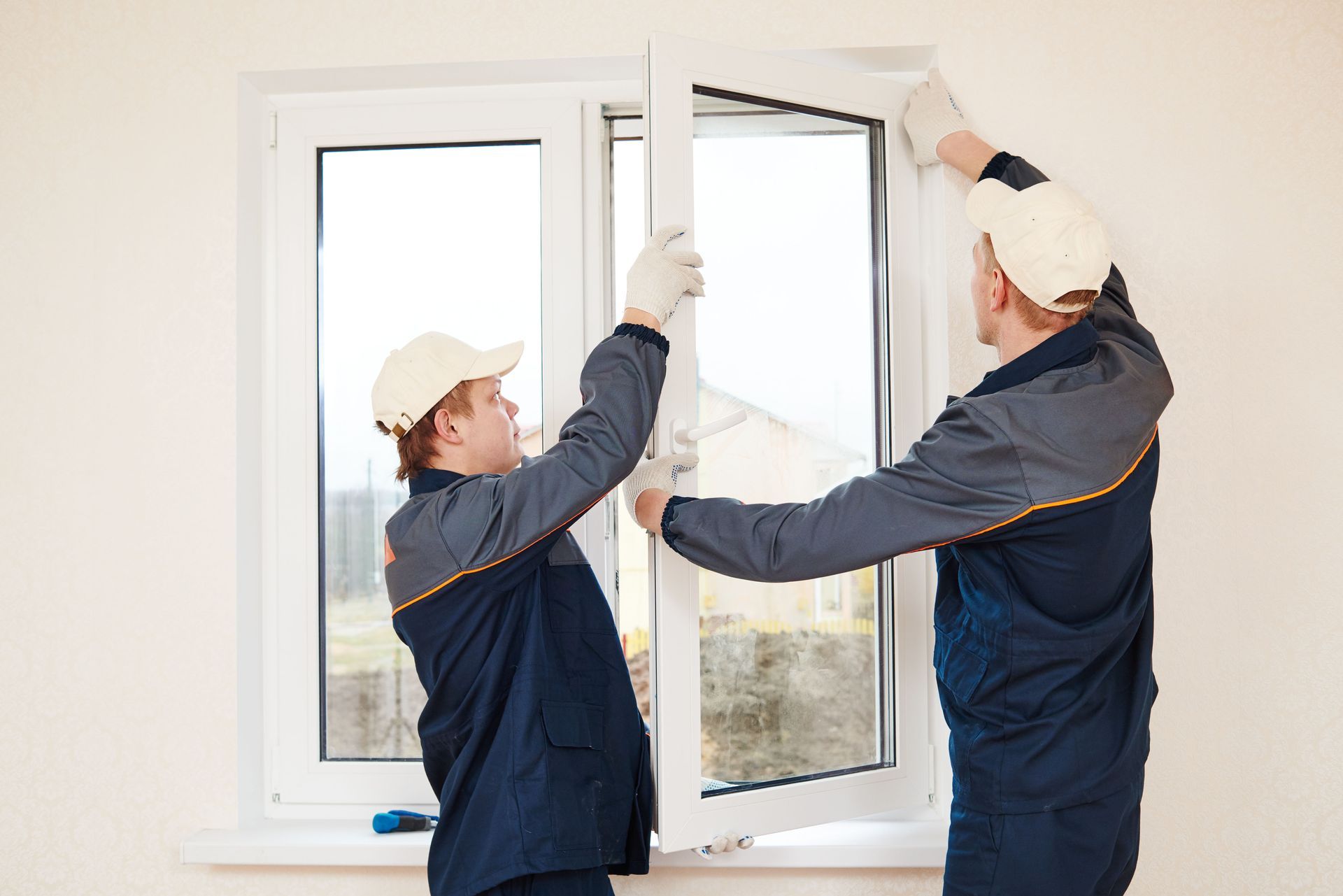
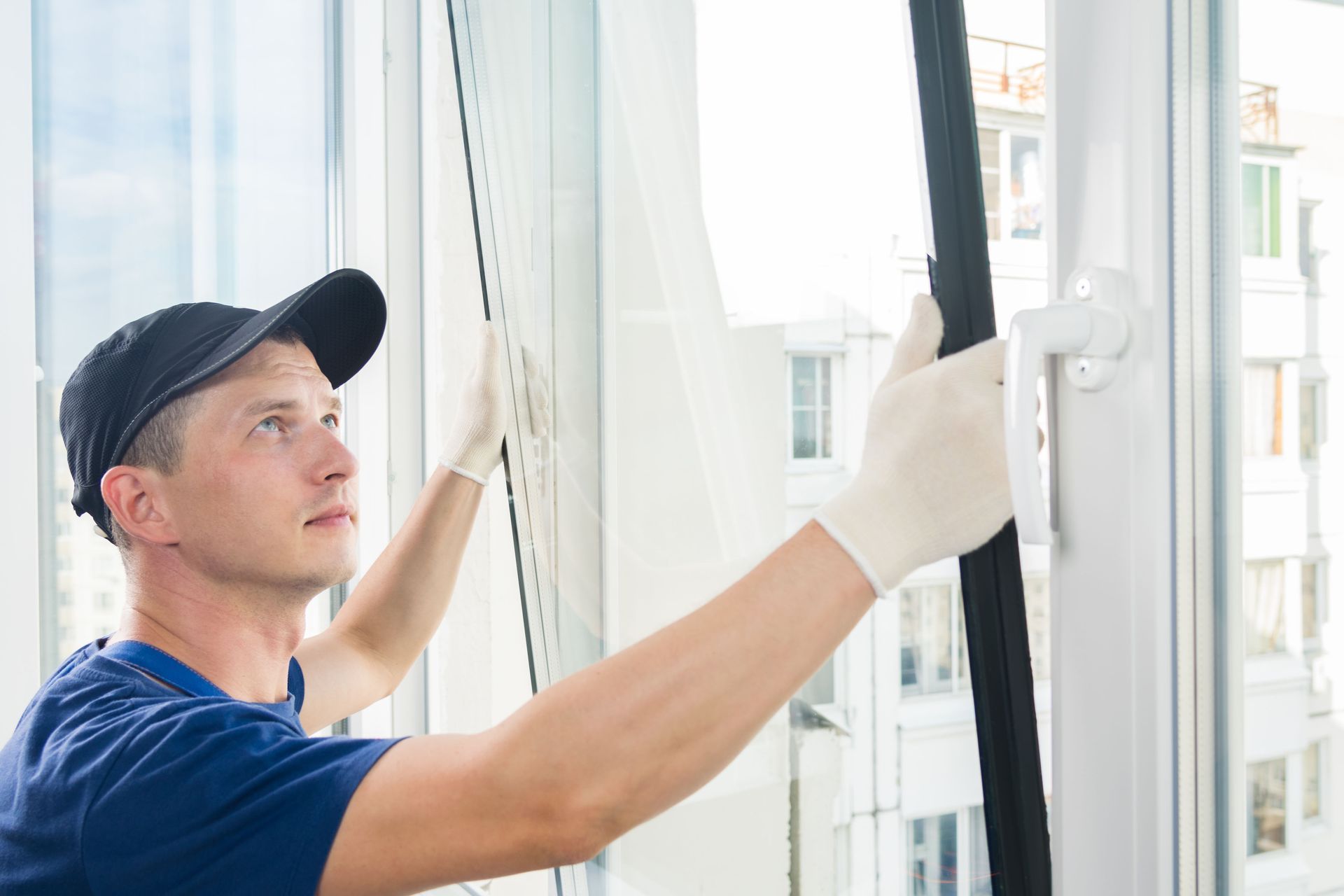
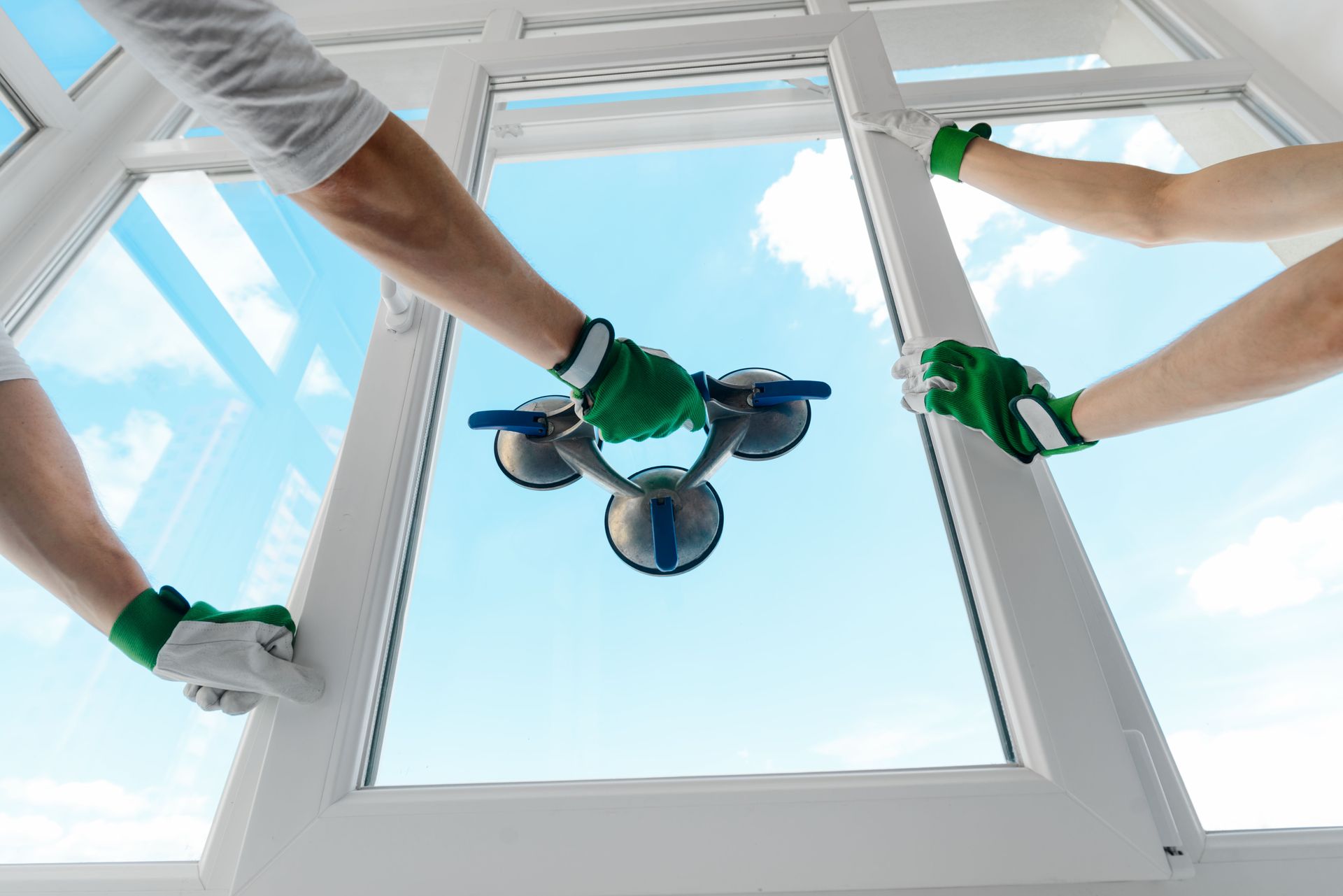
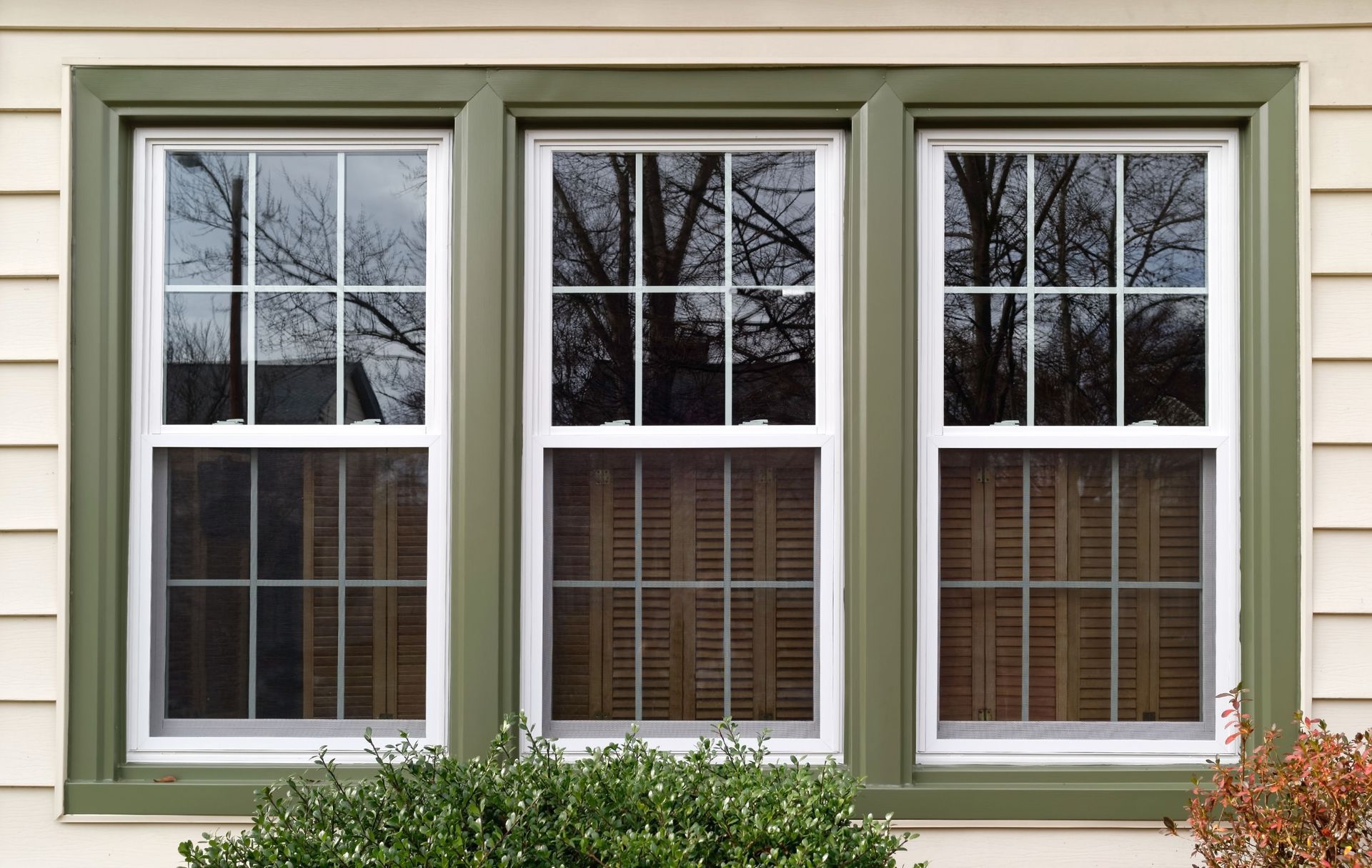
Despite the robust materials used in some older windows, the installation practices often leave much to be desired. Poor installation can counteract even the finest materials, leading to warping or disjointed parts over time—two common problems that lead to increased infiltration. These issues accumulate as materials age, compounding problems like air leakage and necessitating expensive repairs or replacements. According to HomeGuide, the process of replacing a single hung window under ten square feet typically takes 30 to 60 minutes, yet this brief investment of time can save homeowners significantly in both energy and finance. Homeowners should be aware of such detrimental practices and employ professional services for installation to ensure the quality and longevity of windows.
3. Inefficient Glass Technology
Advancements in glass technology have vastly improved the energy efficiency of modern windows, yet older windows lag significantly. One critical feature absent in older windows is low-emissivity (Low-E) coatings. These coatings help reflect heat into the room during winter and block external heat during summer, reducing reliance on heating and cooling systems. Without such technology, older windows fail to regulate temperature effectively, undermining home energy efficiency. The incorporation of Low-E coatings into new window designs represents a substantial step forward in reducing energy consumption for homeowners.
Modern windows also frequently utilize double or triple glazing to obstruct heat transfer, a feature rarely found in older windows. The additional layers of glass and intervening gas fill augment a window’s thermal resistance, significantly curtailing heat loss. Such enhancements dramatically improve a window’s performance compared to single glazing found in older windows, which offers minimal resistance to thermal exchange. By investing in double- or triple-glazed windows, homeowners can achieve superior energy savings, decreased utility expenses, and reduced environmental impact. These advancements highlight the inefficiencies of traditional single-pane systems and emphasize the advantages of upgrading to modern standards.
Older reflective glass technologies do not match the efficacy of recent innovations that cater specifically to energy efficiency. Reflective coatings used in older windows may not optimally manage heat and light transfer, resulting in inefficient reflected heat back into the room during colder months. Moreover, glass degradation over time, such as scratches or fogging, can further diminish the insulating properties of older windows, exacerbating energy inefficiencies. Current technologies address these limitations, offering superior temperature control that complements energy-efficient practices within a home. Modern windows, through enhanced glass technology, offer assurance in maintaining the desired internal climate while curtailing excessive energy usage.
4. Impact of Poor Maintenance
Maintenance, or lack thereof, plays a crucial role in window functionality and associated energy use. Worn-out weather seals on older windows permit air and moisture infiltration, reducing their overall efficiency. Without consistent upkeep, these deteriorations go unchecked, leading to a consistent rise in energy costs over time. Weather seals require regular inspection and replacement to maintain the effectiveness of a window’s insulation capabilities. Neglecting this essential maintenance invites a host of issues that diminish the return on investment in energy-efficient solutions.
The importance of timely repairs cannot be overstated in maintaining window efficiency. Damages such as rot or mold, often found in poorly maintained windows, not only compromise window integrity but can also negatively impact health. When repairs are delayed, the degradation compounds, necessitating more substantial repairs or full replacements. Homeowners must prioritize timely interventions to avert extensive damage and ensure that windows continue to function optimally. Addressing such repairs supports energy savings, promotes a healthier home, and extends the windows’ lifespan.
Overlooked issues, such as cleaning practices, influence glass efficiency and subsequently energy performance. Regular cleaning ensures windows remain clear and unobstructed, optimizing light transmittance and decreasing artificial lighting needs. Additionally, consistent inspections help identify potential issues early, allowing homeowners to undertake preemptive maintenance or upgrades where necessary. These practices contribute to both immediate and long-term energy savings, solidifying the role of maintenance as an indispensable factor in energy efficiency. The cultivation of a maintenance routine forms a crucial component in the overall strategy to decrease energy bills.
The exploration of older windows and their implications on energy efficiency illustrates a clear need for refurbishment and technological updates. From inadequate insulation to limited modern features, older windows exhibit numerous inefficiencies that escalate energy costs and environmental impact. By prioritizing inspection and upgrades, homeowners can achieve superior comfort, financial savings, and sustainability. The strategic replacement of outdated windows serves as a critical measure in optimizing home energy efficiency and reducing unnecessary expenses. If you are experiencing any of these issues, contact STK Construction for window replacements today.